Al-Awlaqi and the Rebbetzin?
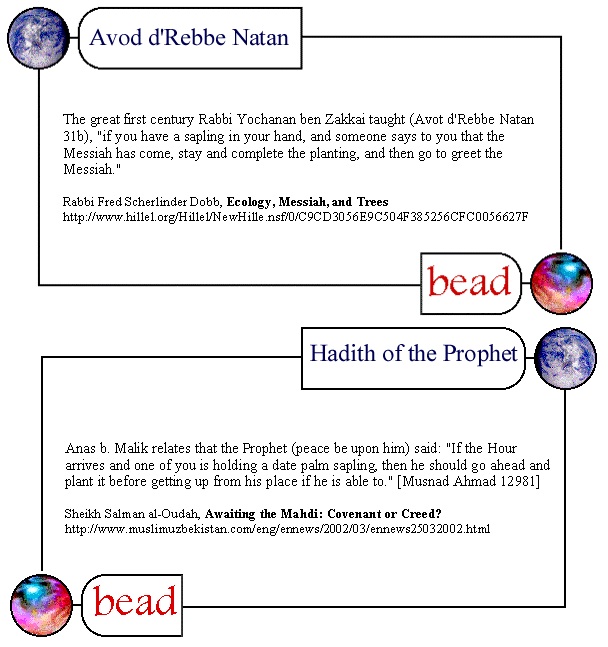
*
BTW, nice to see both Berger and Chris Anzalone in the Sentinel — and the Flagg Miller cover-piece on early bin Laden tapes is interesting, too.
Page 2 of 2 | Previous page
*
BTW, nice to see both Berger and Chris Anzalone in the Sentinel — and the Flagg Miller cover-piece on early bin Laden tapes is interesting, too.
Page 2 of 2 | Previous page
Dave Schuler:
November 4th, 2011 at 2:36 am
I’m still looking for attestations. The earliest I can find so far is James 4:8
Charles Cameron:
November 4th, 2011 at 7:13 am
Thanks, Dave!
.
With that hint (James 4.8, "Draw nigh to God, and he will draw nigh to you") I can get us back a little further, to:
.
Zechariah 1. 3: "Therefore say thou unto them, Thus saith the LORD of hosts; Turn ye unto me, saith the LORD of hosts, and I will turn unto you, saith the LORD of hosts."
.
and Malachi 3.7: "Return unto me, and I will return unto you, saith the LORD of hosts."
Charles Cameron:
November 4th, 2011 at 4:47 pm
It occurred to me that it might be useful to track down the hadith version that I quoted in my original post, so I have done that, and find that the most authoritative of the hadith collections, the Sahih al-Bukhari, presents the hadith in this form (Bukhari Volume 9, Book 93, Number 502):
It should be noted that within this hadith, the Prophet quotes God speaking directly to him: it is thus a "Hadith Qudsi" — defined as a hadith proclaiming "that which Allah the Almighty has communicated to His Prophet through revelation or in dream, and he, peace be upon him, has communicated it in his own words."
.
Furthermore, since this hadith praises the remembrance of God (zikr), I would expect it to be a favorite of the Sufis — and indeed, if you go to this page on Zikr in the Ahadith at SufiZikr.org, you will find it is the first hadith listed.
Articles of the Week – 10/29-11/4 « JIHADOLOGY:
November 4th, 2011 at 6:32 pm
[…] and the Rebbetzin? – Charles Cameron, ZenPundit: http://goo.gl/yTxO9 Share this:Like this:LikeBe the first to like this […]
Charles Cameron:
November 6th, 2011 at 6:34 pm
Many thanks, Aaron.
.
I can no longer count the number of note- and quote-worthy articles I have found via Aaron Zelin’s "articles of the week" roundups on his Jihadology blog.
Charles Cameron:
November 6th, 2011 at 6:43 pm
I am indebted to a friend for pointing out to me that Ibn Arabi, as cited in William Chittick’s The Sufi path of knowledge: Ibn al-?Arabi’s metaphysics of imagination, writes (p. 109):
Chittick, on the same page, quotes Ibn Arabi citing both Qur’an (2:186) and hadith on the remembrance:
and: