War, Games and morale
And that second paragraph, dealing with the present and near future — the move to consider dynamic interaction is to be lauded, but once again we’rew in the realm of “weapons and sensors in the real world”. I’m led to the suspicion that current wargaming doesn’t know quite how to deal with “tangible consequences” that are not determined “by the actual performance of weapons and sensors” but by, ahem, passion.
**
**
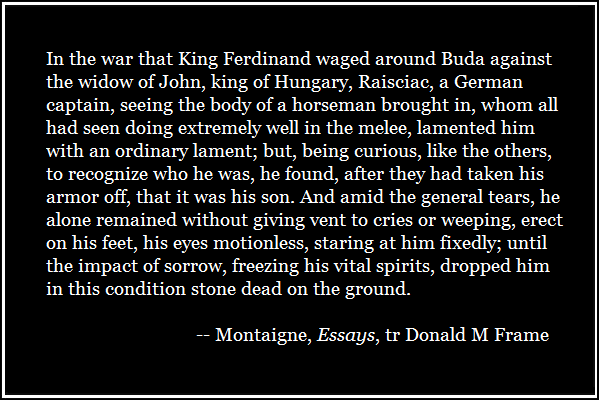
If moral causes and effects are as potent as weapons, or even, as Clausewitz said, are themselves “the real weapon, the finely-honed blade”, games focused not on performances of weapons but on moral causes and effects — games that game passions — must surely have a significant role to play in revitalizing wargaming.
Page 2 of 2 | Previous page
Grurray:
December 21st, 2015 at 12:29 am
The power and unpredictability of moral warfare is also the main dilemma facing the military contractor industry. Mercenaries have the professional training, but locals fighting for the ground they’ve trudged on their entire lives have some more urgent and immediate exigencies. It’s not just a matter of facing a motivated enemy, but, as we saw in Benghazi, it’s also a matter of obtaining support (or dealing with being double crossed) from your dithering clients.
Historically, mercenaries that were strong enough to both triumph over local resistance and rise above uncooperative overlords eventually grew into conquerors and empires themselves.