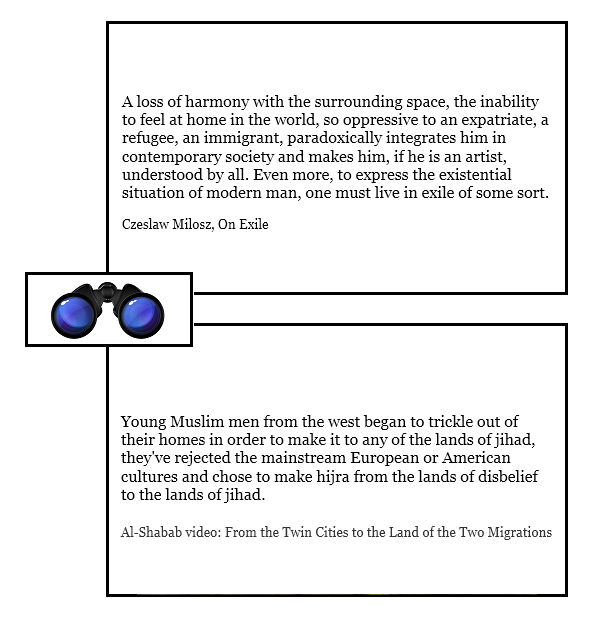
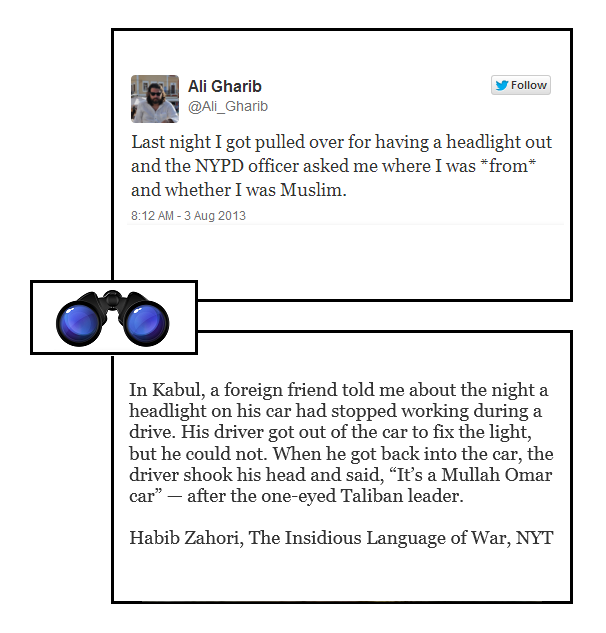
[ by Charles Cameron — peace making tells us that the goal of the activity is peace, conflict resolution tells us that this goal is not achieved in peace but on the field of conflict ]
.

Michael Lempert‘s book, Discipline and Debate: The Language of Violence in a Tibetan Buddhist Monastery, has a somewhat harsh take on the practice of debate in the education of Buddhist monks. The Introduction begins:
Buddhist ‘debate’ (rtsod pa), a twice-daily form of argumentation through which Tibetan monks learn philosophical doctrine, is loud and brash and agonistic. Monks who inhabit the challenger role punctuate their points with foot-stomps and piercing open-palmed hand-claps that explode in the direction of the seated defendant’s face. I was curious about the fate of this martial idiom in which monks wrangle, curious especially about its apparent disregard for ideals like nonviolence, compassion, and rights that Tibetans like the Dalai Lama have promoted…
For a more “nonviolent” view, see Daniel E. Perdue, Debate In Tibetan Buddhism — and by way of comparison, John Daido Loori‘s account of the Zen equivalent, Cave of Tigers: The Living Zen Practice of Dharma Combat…
**
For a comparable Christian form of debate, we can turn to the writings of Peter Abelard, the medieval scholastic (educator and lover of Heloise) who introduced his book Sic et Non — “Yes and No” — in which he selected what are essentially DoubleQuotes from the Early Church Fathers, setting them one against another to display their seeming contradictions, with the following words:
In view of these considerations, I have ventured to bring together various dicta of the holy fathers, as they came to mind, and to formulate certain questions which were suggested by the seeming contradictions in the statements. These questions ought to serve to excite tender readers to a zealous inquiry into truth and so sharpen their wits. The master key of knowledge is, indeed, a persistent and frequent questioning. Aristotle, the most clear-sighted of all the philosophers, was desirous above all things else to arouse this questioning spirit, for in his Categories he exhorts a student as follows: “It may well be difficult to reach a positive conclusion in these matters unless they be frequently discussed. It is by no means fruitless to be doubtful on particular points.” By doubting we come to examine, and by examining we reach the truth.
**
The essence of both the above examples is conflict circumscribed, with the goal of enlightenment.
It’s my impression that Sura 49 verse 13 of the Qur’an implies a similar process, though here it is difference rather than conflict that is the starting point, and mutual understanding that is the goal:
O mankind, We have created you male and female, and appointed you races and tribes, that you may know one another. Surely the noblest among you in the sight of God is the most godfearing of you. God is All-knowing, All-aware.
That’s AJ Arberry‘s translation. Yusuf Ali‘s draws out more of the implications:
O mankind! We created you from a single (pair) of a male and a female, and made you into nations and tribes, that ye may know each other (not that ye may despise (each other). Verily the most honoured of you in the sight of Allah is (he who is) the most righteous of you. And Allah has full knowledge and is well acquainted (with all things).
**
In the second part of this post, I’ll present two extraordinary examples of conflict presented as art…