zenpundit.com » philosophy

Archive for the ‘philosophy’ Category

On the topology of dreams

Saturday, August 6th, 2016

[ by Charles Cameron — a poem that’s far too philosophical to work as poetry, Laramée’s Apparatus, and Alyce Santoro’s philosoprops ]
.

The logic of poetry is, más o menos, dream logic, and so I’ve been pondering the logic of dreams and recently wrote this not terribly poetic poem:

The egg at the conjuror’s table

There is a topology of dreams.
Out beyond Riemann and names I have yet to learn,
there are configurations of space:
past Boole, dreams have their logics.

*

Take an egg.
With a tap of the wand, crack it open,
let it fall apart so precisely
the two half-shells could again fit together,
ovoid, seamlessly,
almost an egg.
Catch white and yolk in a glass.
Toss up and catch the half shell in your left hand
holding the right steady,
bring them together, there’s a fit,
a logic to it, a topology, one
to one, across many thousands of facets
of fragile, broken shell.
Break another egg so preciely
the left half of ts shell would match exactly
the right half of the first,
bring them together,
the fit is exact by definition,
brown shell with speckled,
but there is loss of logic, the thing is surreal,
an egg not an egg at all.
Holding the half-shell in your right hand
face upwards, pour into it
yolk and white of the same egg,
the heart of the egg filling its own shell,
the fit ovoid, but better:
the original yolk united with its familiar shell.
Cover shell and all with a handkerchief,
red, green, blue,
whisk it away, and the egg vanishes —
or appears, whole.

**

There are logics, topologies,
affinities beyond the exact match
of shell and shell,
and so between times, places,
people in dreams –
the half hovel, half cathedral
with its walkways among lily ponds, the koi,
dusk in one century dawn in another,
her youth your old age your youth again, time
cracked open so precisely,
its yolk, meaning,
its moments an exact match across centuries,
its half-shell a perch for Venus,
its wholeness Fabergé,
its yolk, tempera mixed by Giotto,
meaning, tempera, Assisi,
gesso, the chalk cliffs of Dover, the sea..
There is a harmony of the whole,
of the broken unbroken,
named yet unnameable, unspeakable,
there is a logic.
there is a topology of the sundries of dreams,
a mathematics to this matching
of thou with i,
of words, asleep, awake, of dusk to dawn, with all.

Recognising that it belongs in a category she might call philosopoetry, I sent it to my friend, the artist Alyce Santoro, author of the remarkable Philosoprops: A Unified Field Guide>

**

I’m a lucky fellow.

Today, via 3 Quarks Daily, I ran across this quote from Walter Bejamin:

I had suffered very much from the din in my room. Last night the dream retained this. I found myself in front of a map and, at the same time, in the landscape which was depicted on it. The landscape was incredibly gloomy and bleak, and it wasn’t possible to say whether its desolation was merely a craggy wasteland or empty grey ground populated only by capital letters. These letters drifted curvily on their base, just as if they were following the mountain range; the words formed from these letters were more or less remote from each other. I knew, or came to know, that I was in the labyrinth of the ear canal. The map was at the same time a map of hell.

There’s something darkly Borgesian about that quote, eh? But it certainly illuminates dream topology, and even moreso, the topology of the relationship of dream to waking, itself worth comparing with the relationship of map to territory, word to referent, and indeed moon to finger with which Count Korzybski, Lao Tzu, and the Zen poets are each so notably concerned.

**

Tunneling on through, I find myself contemplating one of Alyce’s inspirations — Eve Andrée Laramée’s Apparatus for the Distillation of Vague Intuitions, shown in Mass MoCA‘s 2000-2001 exhibition Unnatural Science, from 2000 – 2001:

laramee

A detail from that work illustrates the etching of certain phrases into the glass — in this case, the words polysemy and misconception:

7. Eve Andree Laramee_polysemy-misconception

The display is characterized in this piece from Art & Science Jounral:

Apparatus for the Distillation of Vague Intuitions by American artist Eve Andrée Laramée consists of an array of tall metal stands, clamps, PVC tubings, glass beakers, flasks and vials. Although much of the equipment looks standard from afar, the installation is a dysfunctional and mythological sort of laboratory that highlights the inherent but often unnoticed subjectivity in scientific inquiry. [ .. ]

In this fantastical and visually dazzling Apparatus, many of the glassware are hand-blown with various cloudy or luminous turquoise solutions and copper wires attached to large exotic flowers contributing to the spectacle of a giant chemistry experiment gone amok.

Upon close inspection, a second level of complexity is revealed by the seemingly unscientific words and phrases such as “HANDFULS”, “LEAP IN THE DARK” and “UNNECESSARY EXPLANATORY PRINCIPLES” delicately etched into the glass, exposing a sense of insecurity and imprecision behind the process of science.

**

My Egg at the conjuror’s table is really more a philosoprop, to use Alyce’s coinage, than what many expect a poem to be, and likewise Laramée’s Apparatus more a philosoprop than what many expect an artwork to be.

Philosoprops:

The word philosoprop is a portmanteau of philosophy (love of wisdom) and either prop (theatrical property) or propaganda (influential communication), depending. A philosoprop is a device, implement, or illustration – crafted or discovered ready-made – that can be used for the purpose of demonstrating a concept or sparking a dialog.

Let’s talk..
Of martyrdom and forgiveness

Monday, August 1st, 2016

[ by Charles Cameron — of martyrdom according to ISIS and the church, & of forgiveness in response to hate — continuing from Of sacrifice and martyrdom ]
.

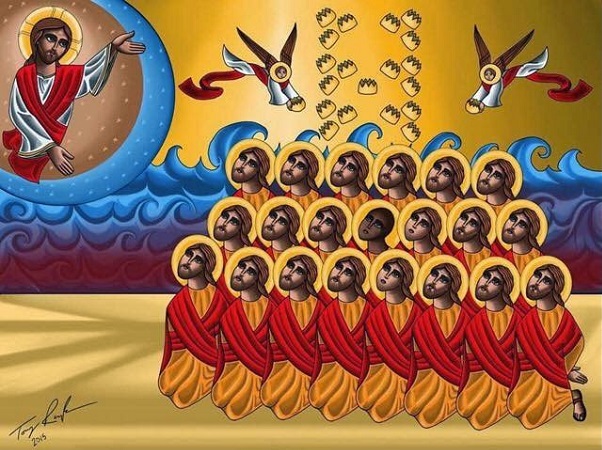
Martyrs

Icon by Coptic artist Tony Rezk. The martyrs’ faces are the faces of Christ.

**

My Lapido piece closed with these words:

That is, in part, why Pope Francis in his official comment on the event said he was “particularly troubled to learn that this act of violence took place in a church, during Mass, a liturgical act that implores of God His peace on earth.”

The Pope went on to say he “asks the Lord to inspire in all thoughts of reconciliation and fraternity in this new trial, and to extend to everyone the abundance of His blessings”. And that, perhaps, is the hardest thing for us – and for France – to understand.

The natural reaction to such a barbarous act as the killing of a defenceless 86-year old priest is horrified anger, and French President François Hollande, true to France’s claim to be secular, described the killing as a “desecration of French democracy” – and declared “France is at war.”

**

Democracy was far from the only thing that was desecrated. The image of God in the person of Fr Hamel was desecrated, his priesthood, speaking the words and making the gestures Christ himself had made at the Last Supper was desecrated, the sacred place in which he stood and woshipped was desecrated, and the sacrament of the Mass was desecrated .

And to all this, The Pope responded with words of forgivesness, asking God “to inspire in all thoughts of reconciliation and fraternity”.

**

Martha Nussbaum:

The American philosopher Martha Nussbaum has recently written an essay titled Beyond Anger, in which she begins to explain the futility of vengeance, citing Nelson Mandela as someone who went beyond anger to achieve great things:

He often said that he knew anger well, and that he had to struggle against the demand for payback in his own personality. He reported that during his 27 years of imprisonment he had to practice a disciplined type of meditation to keep his personality moving forward and avoiding the anger trap.

Nussbaum is presenting in psychological, philosophical and political terms the outlook which for Pope Francis is embodied in the words of Christ: “Love your enemies, bless them that curse you, do good to them that hate you, and pray for them which despitefully use you, and persecute you; that ye may be children of your Father which is in heaven.”

This attitude runs strikingly against the grain of secular thinking in our age.

With the tragic death of Fr Jacques Hamel and the words of Pope Francis, we are reminded once again that there exists another possibility than retribution, a way of forgiveness and peace in place of redoubled fury and war.

**

Tibhirine:

We hve seen this forgivesness before. To grasp how different Pope Francis’ message is from the vegneance which seems like second nature to us, we may want to recall the French Trappist monks of Tibhirine in Algeria, killed by Islamist terrorists in 1996, and to read again the remarkable words of Christian de Chergé in his Last Testament:

If it should happen one day – and it could be today – that I become a victim of the terrorism which now seems ready to encompass all the foreigners living in Algeria, I would like my community, my Church, my family, to remember that my life was given to God and to this country. I ask them to accept that the One Master of all life was not a stranger to this brutal departure.

Addressing his future attacker, de Chergé says:

And you also, the friend of my final moment, who would not be aware of what you were doing. Yes, for you also I wish this “thank you” – and this adieu – to commend you to the God whose face I see in yours.

**

Copts:

We witnessed it among the Coptic Christians when so many of their sons were brutally beheaded by ISIS.

As I noted at the time in Some recent words from the Forgiveness Chronicles, Angaelos, General Bishop of the Coptic Orthodox Church in the United Kingdom, said when he was interviewed shortly after the event:

Q: Not long after the video released, you tweeted about the killings, using the hashtag #FatherForgive. Did you mean that you forgive ISIS?

A:Yes. It may seem unbelievable to some of your readers, but as a Christian and a Christian minister I have a responsibility to myself and to others to guide them down this path of forgiveness. We don’t forgive the act because the act is heinous. But we do forgive the killers from the depths of our hearts. Otherwise, we would become consumed by anger and hatred. It becomes a spiral of violence that has no place in this world.

**

For Christians, it is clear that Fr Hamel was killed for his faith, and died a martyr. For the followers of ISIS, the same kind of claim will be made — that the two jihadist “soldiers” died at the hands of the French police while fighting jihad fi sabilillah — in the cause of God. But for the Muslim community of France as a whole, the killing of Fr Hamel was an act of brutality without religious sanction — indeed, quite the opposite:

Community leaders in Saint-Etienne-du-Rouvray, Normandy said they did not want to “taint” Islam by having any association with Adel Kermiche, the 19-year-old jihadist who killed Father Jacques Hamel in his hometown in northern France.

Mohammed Karabila, president of the local Muslim cultural association and imam of one of the town’s mosques, told Le Parisien newspaper: “We’re not going to taint Islam with this person. We won’t participate in preparing the body or the burial.”

Considering the importance of quick burial in Muslim theology, that is a pretty clear indication of the distance the Muslims of St Étienne-du-Rouvray wish to put between their faith and its distorted image in the mind of ISIS.

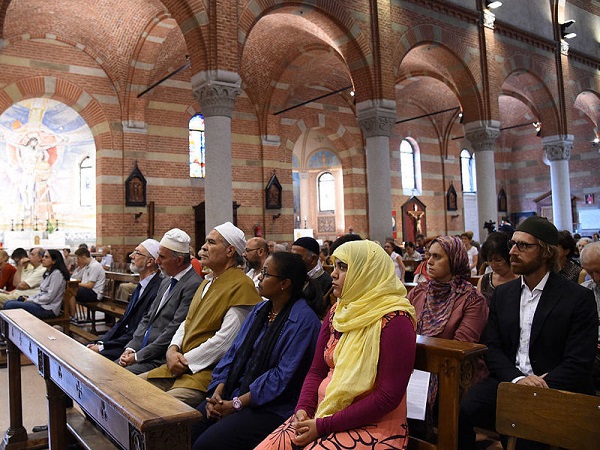
Not only didnthe local Muslims refuse to accept Kermiche’s body for burial, an appeal went out for Muslims to attend Mass on today, Sunday, in grief and solidarity with the Catholics and with the people of France. As Hend Amry put it:

Catholic priests were invited to attend, and spoke at Saint-Etienne-du-Rouvray mosque, which had been built on land donated by the church — and across France, in tears, countless Muslims attended Mass, in St Étienne-du-Rouvray, in Rouen Cathedral, and as far away as Italy and Corsica.

**

Muslims at Mass in Milan
Muslims at Mass in Milan, Italy

Solidarity AFP photo JCMagnenet
Catholic-Muslim friendship in wake of killing of Fr Hamel, AFP.

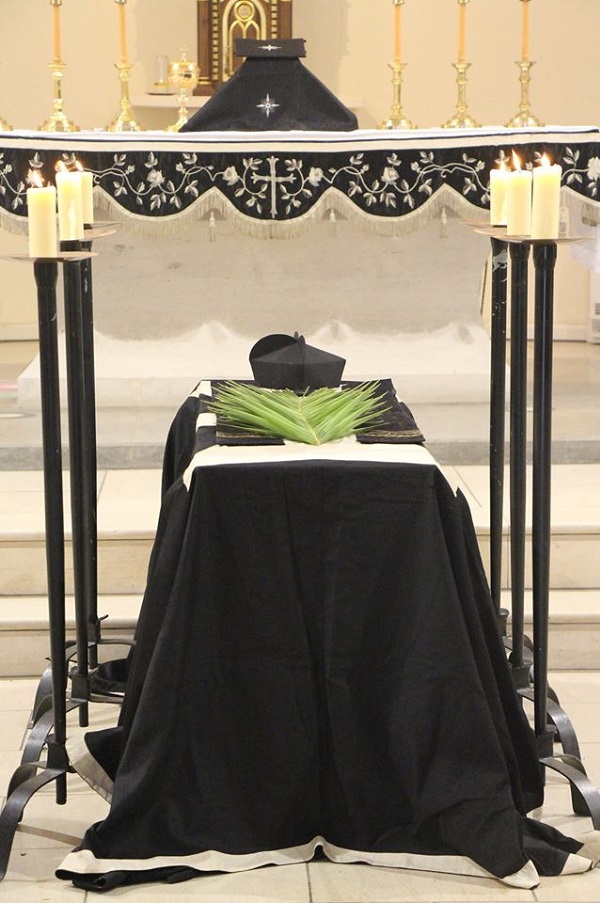
Catafalque, Requiem for Fr Hamel
Catafalque, Requiem Mass for Fr Hamel, Faternity of St Joseph the Guardian, La-Londe-Les-Maures.

Nesting Buddhas and insubstantiality

Monday, July 25th, 2016

[ by Charles Cameron — from the Buddha’s Diamond Sutra via matrioshka dolls and koans to Sun Tzu and Wittgenstein ]
.

From Karl Brunnhölzl, The Heart Sutra Will Change You Forever, in today’s Lion’s Roar:

Besides being a meditation manual, we could also say that the Heart Sutra is like a big koan. But it is not just one koan, it is like those Russian dolls: there is one big doll on the outside and then there is a smaller one inside that first one, and there are many more smaller ones in each following one.

After reading that, I wasn’t exactly expecting to find illustrations of Buddhas in the form of Matryoshka dolls on Google, but in fact there are quite a few variants on the theme. Here’s one, original source unknown:

matryoshka_buddha

Buddhism actually has a doctrine of the Trikaya or three bodies of Buddha, as described in the dictionarily dry words of the Britannica:

Trikaya, (Sanskrit: “three bodies”), in Mah?y?na Buddhism, the concept of the three bodies, or modes of being, of the Buddha: the dharmakaya (body of essence), the unmanifested mode, and the supreme state of absolute knowledge; the sambhogakaya (body of enjoyment), the heavenly mode; and the nirmanakaya (body of transformation), the earthly mode, the Buddha as he appeared on earth or manifested himself in an earthly bodhisattva, an earthly king, a painting, or a natural object, such as a lotus.

— and point you to a deeper reading as set forth by Shunryu Suzuki Roshi, whose understanding far surpasses anything I could muster.

I don’t. however, believe these three bodies are “nested” quite the way the Russian dolls are..

**

Now let’s get down to business. In the same article, Brunnhölzl writes:

Many people have complained about the Prajnaparamita Sutras because they also trash all the hallmarks of Buddhism itself, such as the four noble truths, the Buddhist path, and nirvana. These sutras not only say that our ordinary thoughts, emotions, and perceptions are invalid and that they do not really exist as they seem to, but that the same goes for all the concepts and frameworks of philosophical schools—non- Buddhist schools, Buddhist schools, and even the Mahayana, the tradition to which the Prajnaparamita Sutras belong.

That’s by normal western standards, is pretty strong philosophical meat. But Brunnhölzl continues, asking:

Is there any other spiritual tradition that says, “Everything that we teach, just forget about it”?

**

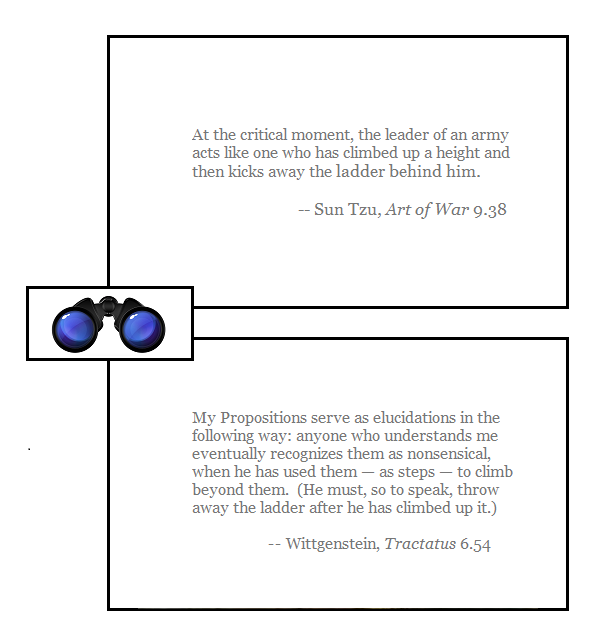
I sense a slight “my path is edgier than yours” tinge to that question, so I didn’t treat it as rhetorical, I pondered it — and in my googling ran across this rather neat pair of DoubleQuotes, which had been put together by Noah Greenstein in a blog-post titled Wittgenstein and Sun Tzu (on throwing the ladder away):

DQ Sun Tzu Wittgenstein ladders

and which I’ve presented here using one of my own DoubleQuotes formats.

**

It should be noted, however, that the Sun Tzu translation quoted here is the 1910 Leonard Giles version, that the text with a little more context reads:

At the critical moment, the leader of an army acts like one who has climbed up a height and then kicks away the ladder behind him. He carries his men deep into hostile territory before he shows his hand. He burns his boats and breaks his cooking-pots..

and that Giles‘ own comment on “the leader of an army acts like one who has climbed up a height and then kicks away the ladder behind him” reads:

literally, “releases the spring” (see V. § 15), that is, takes some decisive step which makes it impossible for the army to return—like # Hsiang Yü, who sunk his ships after crossing a river.

Sun Tzu as quoted here, then, is not in fact a great match for Wittgenstein — but Wittgenstein, who can indeed be said to have “thrown away” his own early philosophy as outlined in the Tractatus before acquiring the new one outlined in his Philosophical Investigations, comes far closer in spirit to the Diamond Sutra as discussed above.

**

Did I say the Heartv Sutra was “pretty strong meat”? I did. Perhaps this excerpt from Brunnhölzl’ piece will bring the point home:

There are accounts in several of the larger Prajnaparamita Sutras about people being present in the audience who had already attained certain advanced levels of spiritual development or insight that liberated them from samsaric existence and suffering. These people, who are called “arhats” in Buddhism, were listening to the Buddha speaking about emptiness and then had different reactions. Some thought, “This is crazy, let’s go” and left. Others stayed, but some of them had heart attacks, vomited blood, and died. It seems they didn’t leave in time. These arhats were so shocked by what they were hearing that they died on the spot. That’s why somebody suggested to me that we could call the Heart Sutra the Heart Attack Sutra.

Now that’s serious philosophy.

**

Okay, this has been an early morning meander, sufficient to drive away both fatigue and insomnia. On with the insubstantial day..

Recommended Reading—Summer 2016

Monday, July 11th, 2016

[by J. Scott Shipman]

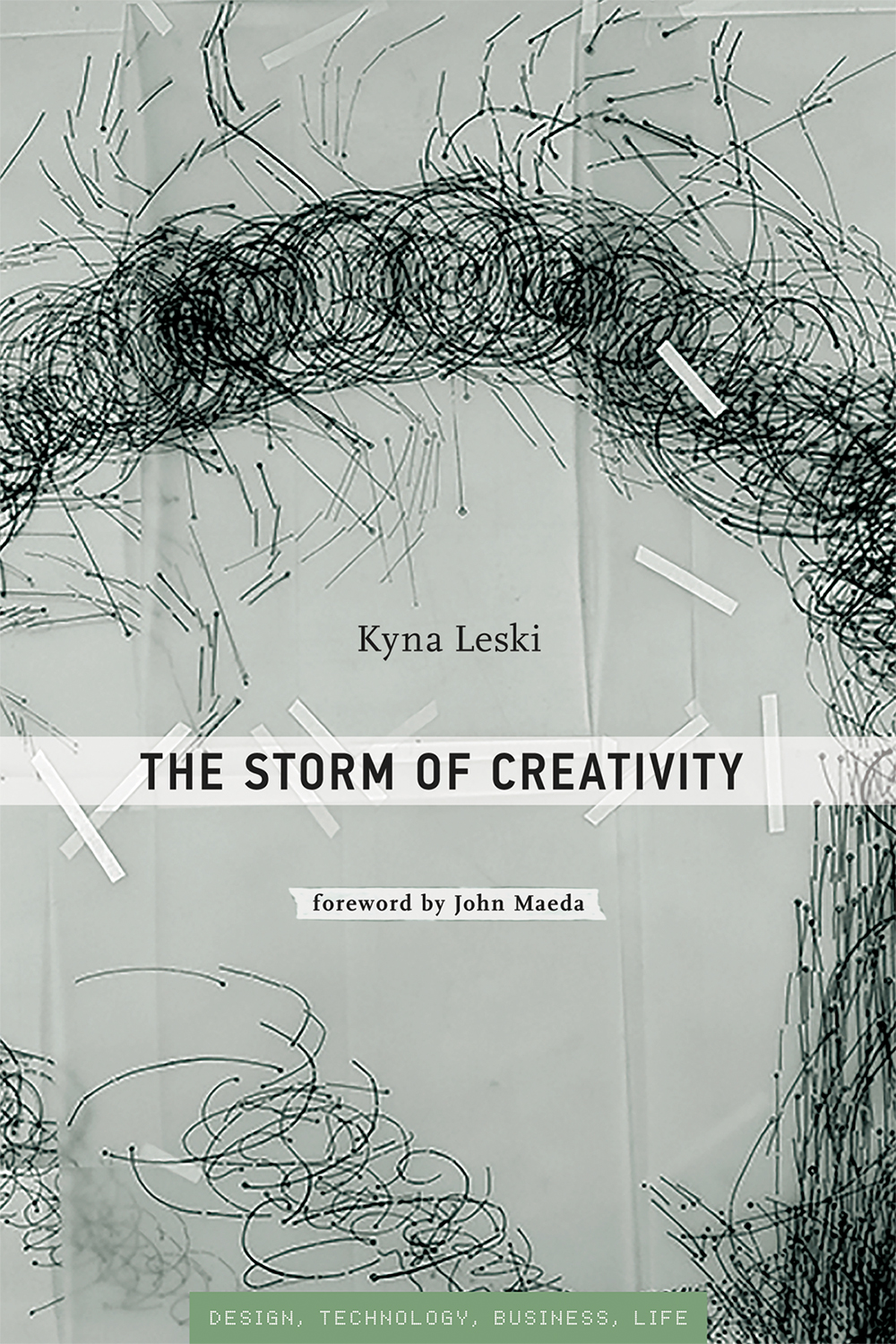
Storm of Creativity2017

wright-brothers-biographyserendipities

Paradisejssundertow

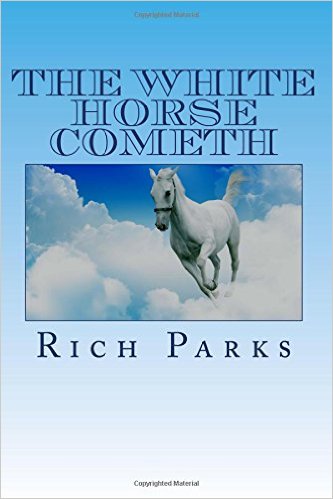
white horsewashington


The Storm of Creativity, by Kyna Leski

2017 War With Russia, by General Sir Richard Shirreff

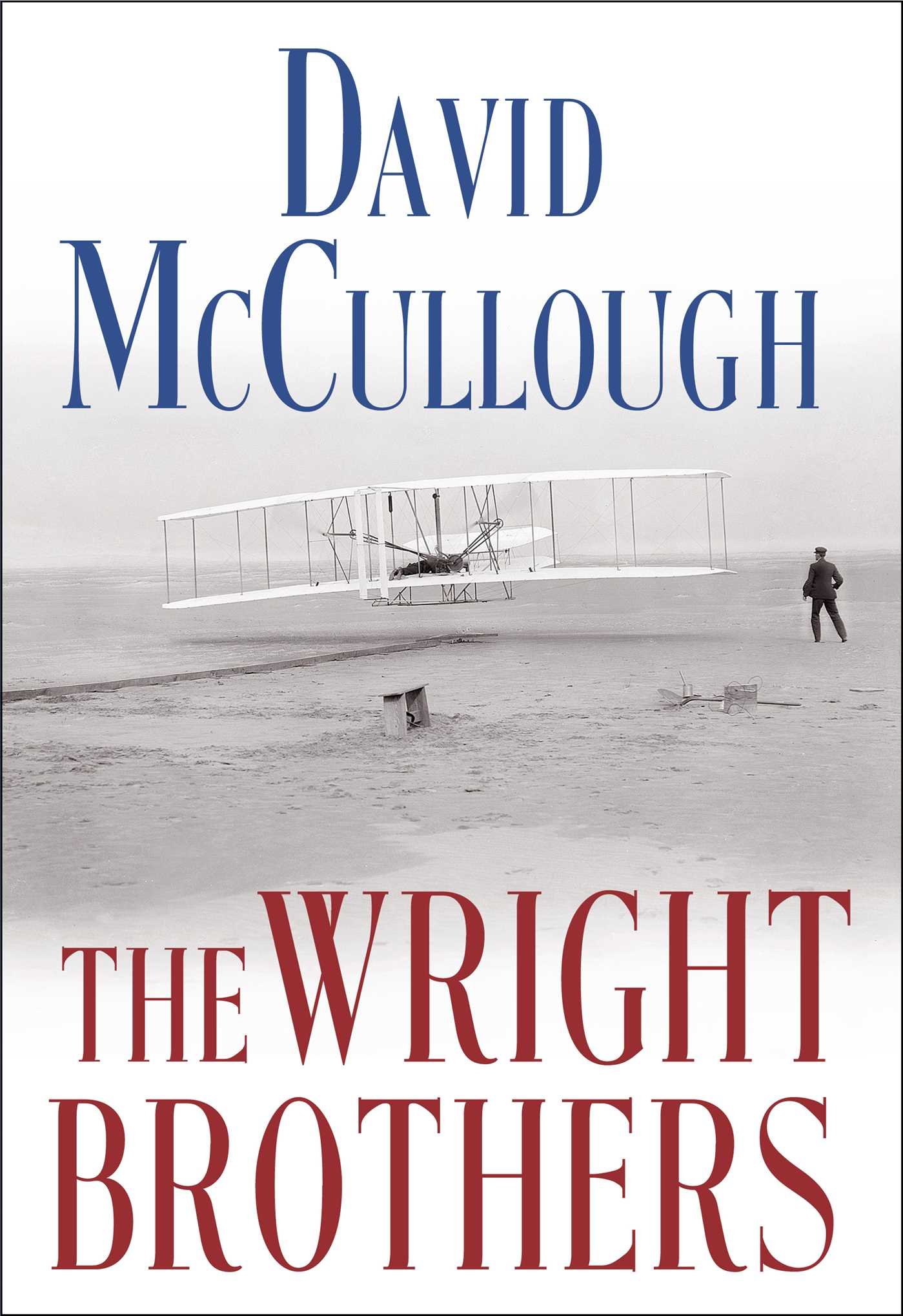
The Wright Brothers, by David McCullough

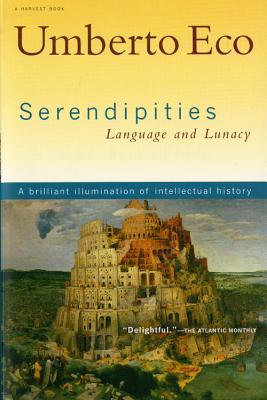
Serendipities, Language and Lunacy, by Umberto Eco

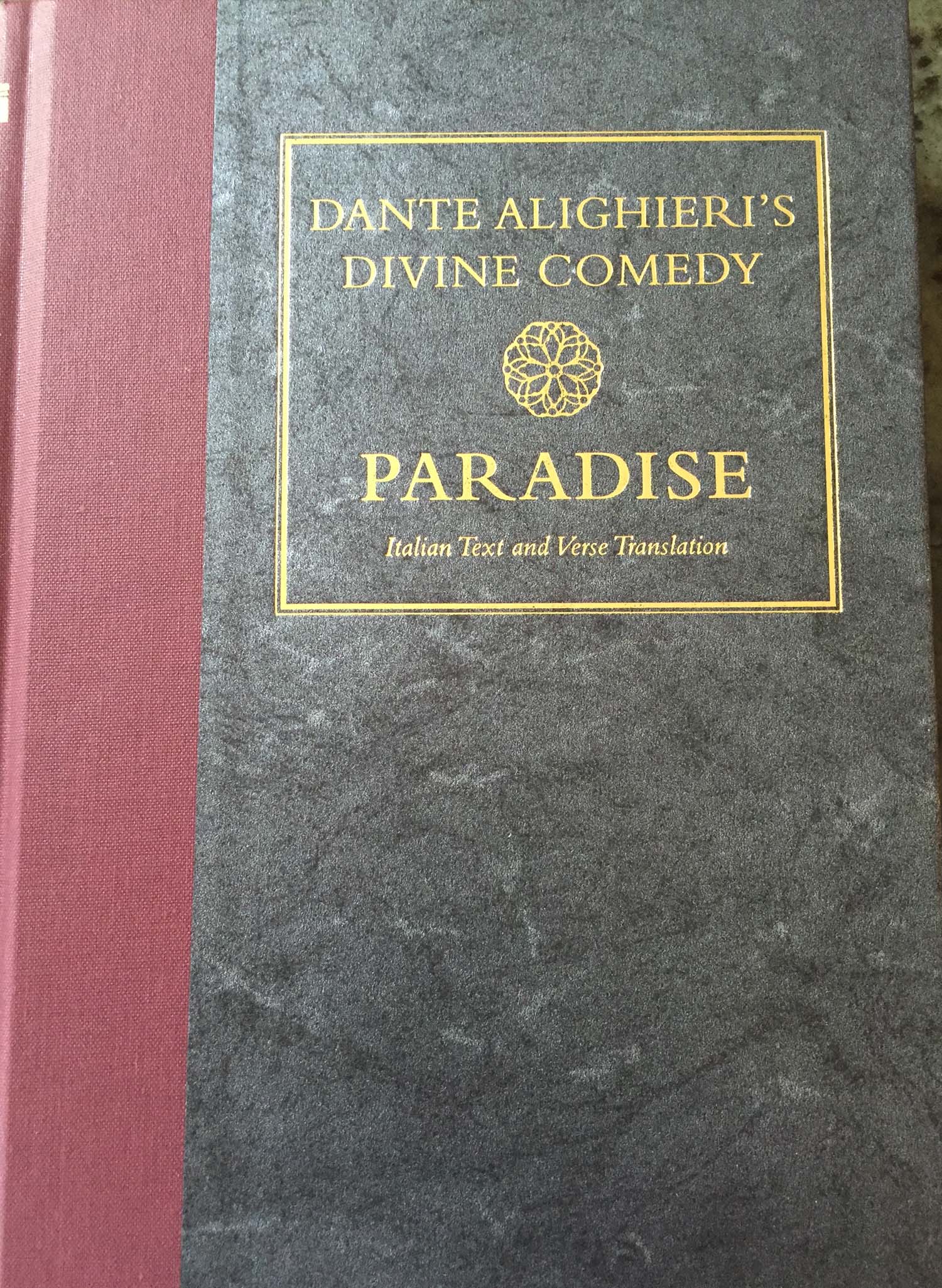
Paradise, Dante Alighieri, translated by Mark Musa

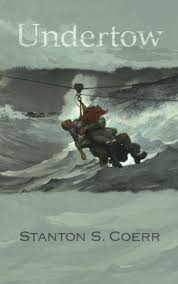
Undertow, by Stanton S. Coerr

The White Horse Cometh, by Rich Parks

Washington The Indispensable Man, by John Thomas Flexner

This list starts the first week of May, so perhaps the title should be Spring/Summer. Most of these books are quick reads and all are recommended.

I picked up Ms. Leski’s book at an MIT bookshop on a business trip in early May and read on the train ride home. Books on creativity are ubiquitous, but Ms. Leski takes an interesting approach by describing the creative process using the metaphor of a storm. Several ZP readers will find of interest.

2017 was recommended by a friend. The author was the Deputy Supreme Allied Commander Europe and the book focuses on a Europe/NATO response to a Russian invasion of the Baltics. Written in a Tom Clancy-like style, the plot is fast-paced even though the good general provides sometimes provides detailed insights into the inner workings of NATA and the North Atlantic Council (this is one of the values of the book—bureaucracy writ-large).

David McCullough’s Wright Brothers delivers an approachable and human accounting of the first men of powered flight. Some reviews on Amazon complain McCullough lifts and uses too many quotes to tell the story. At times the quotes were distracting, but not enough to prevent the enjoyment of the story of two brothers who changed the world. This book was a gift otherwise I probably would not have read.

Serendipities is a short book, but was a long read for me. Eco explains how language and the pursuit of the perfect language has confounded thinkers since time immemorial. He refers to Marco Polo’s unicorn (also used in his Kant and the Platypus which is excellent) explaining how language is often twisted to meet a preconceived notion or idea. The first couple of chapters were quite good, chapters three and four did not hold my interest or were over my head. The closing chapter was good enough to convince me I’ll need to read this little book again. (My Eco anti-library has been growing of late.)

Eco’s book led me to reread Musa’s excellent translation of Paradise. My son gave me the deluxe edition with parallel Italian and English, plus commentary. Eco referenced Canto 26 and 27, and I enjoyed the break so much I read the whole thing!

Undertow is my good friend Stan Coerr’s second book of poetry.  His first book Rubicon was a moving collection of poetry of men at war. Undertow deals more with the heart and is quite good, too. You won’t be disappointed.

White Horse is also a book by an old friend, Rich Parks (we’ve known each other since the mid-80’s). White Horse is self-published and in places it shows, but the overall story is quite good for a first book (I’ve already told him his book would make an excellent screenplay.). The plot is quick and entertaining even if a bit unbelievable, but the story is fiction. Rich is following up with a sequel in August in 2016 and I’ll be reading it, too.

Mr. Flexner’s Washington was a gift, too. In this quick biography Washington is made approachable and human. And when I say “quick,” I mean quick…Trenton and Princeton took one chapter compared to David Hackett Fischer’s Washington’s Crossing which took up a standalone book. If someone were looking for a first Washington biography, this would be a good place to start.

This isn’t the conclusion of my summer reading, but a pretty good start.What are  you reading this summer?

About those angels hiding in the wings & winds

Saturday, July 9th, 2016

[ by Charles Cameron — John Donne, Kepler, and the transition from natural philosophy to science — & beyond ]
.

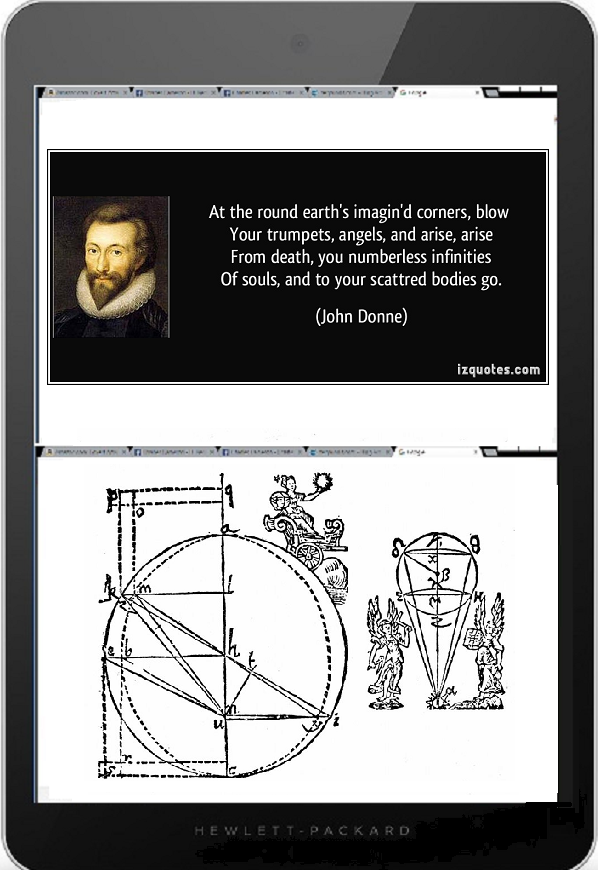
Here’s a DoubleQuote for you:

Donne Keppler DQ

This isn’t futuristic strategy, but it is futures thinking.

There was an extraordinary transition that took place when natural philosophy morphed into science, and while I’ve quoted John Donne’s four amazing words “round earth’s imagin’d corners” [upper panel, above] often enough as illustrating both worldviews as though seen through a conceptual equivalent of binocular vision, it was only recently via 3QD that I came across Kepler’s illustration of the elliptical orbit of Mars with its remarkable combination of angels and geometrical precision.

I would argue that we are at the beginning of another such trasformation, in which the “horizontal” imaginative (imaginal, image-making, magical), intuitive (irrational), creative (leaping, analogical, cross-disciplinary) mode of perception will again be integrated in some new and transformative manner with the “vertical” linear, numeric-verbal, logical (rational) mode that at present so fascinates our culture — the conscious mode of thinking through with the unconscious mode of revelatory insight.

If it is indeed the case — as suggested by the failure of Aristotelian either-or logic to support the niceties of the world seen from a quantum mechanical perspective — that we are entering a transition to a stereoscopic worldview that finally harmonizes the sciences with the arts and humanities, then a clear understanding of the earlier transition represented above in the two panels, one from Donne’s poems, one from Kepler’s treatise, will be an invaluable guide to what lies ahead.

**

Sources:

  • John Donne, At the round earth’s imagin’d corners
  • James Blachowicz, There Is No Scientific Method
  • **

    Edited to add:

    For an in-depth account of salient aspects of that first transformation, see Ioan Couliano‘s great book Eros and Magic in the Renaissance.


    Switch to our mobile site