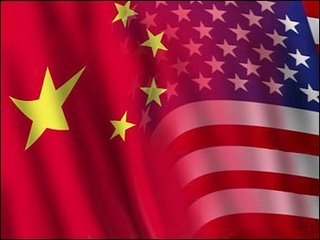
Dr. Barnett Responds on Sino-American Grand Strategy
Tuesday, January 4th, 2011In response to my previous post A Short Analysis on The Whyte-Barnett Sino-American Grand Strategy Proposal, Dr. Thomas P.M. Barnett wrote in late this morning and I am giving him the floor:
You’re fundamentally right in your analysis.
What we heard from a senior quasi-official (and I’ll leave the description there) was that we should not present the compromises in the form of annexes but to make it a singular sign-it-or-no agreement. Why? That path would suffer the deaths of a thousand-edits and ruin the desired dynamic.
I agreed with the notion for this reason: The American approach to such a document is to carve it up into pieces and to give the Iran piece to the Iran desk and the Taiwan piece to the Taiwan desk and so on, and everybody comes back saying the same thing: “American could never do this one thing!” But, of course, the whole point of the process is to encourage the horse-trading mindset.
Do you, America, want a different path with China?
Do you, America, want the money to flow from China back into the US economy in a useful manner for all? Do you want the trade imbalance balanced?
If you want these things, and see the wisdom of the deepened economic connectivity, then what transparency and strategic trust must be created–minimum list?
Once you see all these “demands” expressed from the Chinese side, do you see a path forward or are these things too much for Beijing to ask for?
Me personally, I want Kim’s regime collapsed–pronto. But I cannot make that argument stand up right now, given the larger tasks at hand and the relationship to be maintained. I hear the Chinese on that subject and I think their offer of a slow soft-kill path makes sense. So I accept the bargain because I see a lot of negative pathways curtailed by it and profoundly positive ones created by it.
But I’m not a China expert who’s incredibly vested in the complexity and opacity of this relationship. It gets better and I still have plenty of opportunity to pursue. I’m also not a regional expert well versed in telling you how something is “impossible!” I approach the issue from the long-range perspective, with more of a businessman’s tendency to look for the deal rather than wait on the perfect architecture or all the policy boxes to get checked. I want progress, and asked the Chinese what it would cost.
I believe that if you put this package in front of the American people, they will not find the costs high at all. But that would take seriously visionary leadership on our side (like Brzezinski’s suggestion in the NYT yesterday). The Chinese have enough of it on their side to move forward. I fear we do not. We are now the muddle-through people, looking frighteningly like Brezhnevian Russia. Nobody is creating any Deng or Gorbachev-like clarity about the path ahead. Where is our 21st-century Alexander Hamilton?
We argue amongst ourselves over piddling things, fighting each conversation to the death. And we lower ourselves in the eyes of others.
John Milligan-Whyte is convinced Obama is a transformational figure–a lawyer’s mind who will understand the terms and act on it. I am less optimistic but felt it was crucial to try.
The Chinese response was–to me–stunning in its openness and flexibility of imagination. Yes, they have their demands and when you look at it from their perspective, they are fairly reasonable, even as I, in my American mindset, find some of them too slow in unfolding. But they took this thing with immense seriousness–even an eagerness. They were like somebody who had long waited to eat a decent meal and were determined to gobble it up with relish, and I found all that sad, because it made me realize what a dead dialogue the SED must be, with its 1-2% improvement goal every year.
But Obama’s crew has no real strategists. They have handlers and politicos and experts, but no strategists or deal-makers. They are too satisfied with the “keeping all balls in the air” bit, ecstatic when China does the littlest effort to rein NorKo in for some SouKo artillery ex–like that’s some great victory! It’s really sad, because the moment is so ripe for imaginative approaches.
We knew the package had to start from the Chinese side and I firmly expected the US side to blow it off, for its lack of proper channels. But it does not stop there–from the Chinese perspective. So our work continues.
 in with comments.
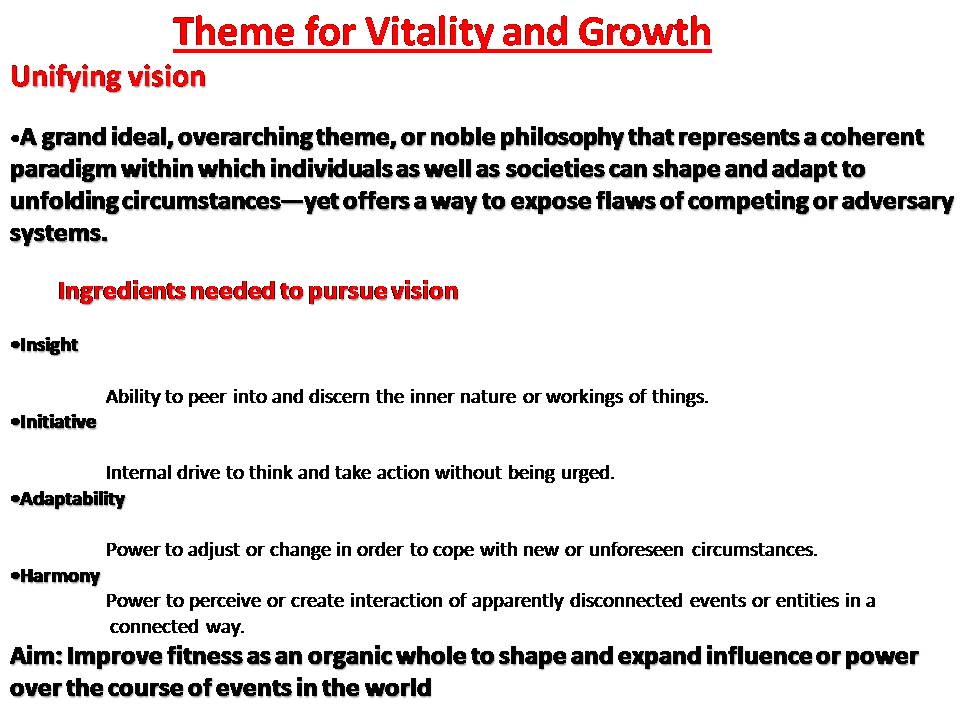
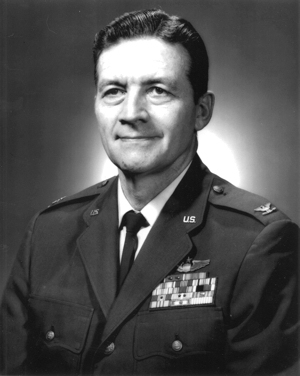 decision cycle faster than the opponent. But the importance of his writings to grand strategy is undeniable. His stress on the importance of forming organizations creative and efficient enough to “destroy and create” perceptions of the external environment, increase our own connectivity and degrade that of our opponents, and the importance of establishing a “pattern for vitality and growth” all point to aspects of strategic design that focus less on marshalling resources against a specific opponent than developing a basic strategic template that can remixed for various situations under a process of “plug and play.”